
By Julian Brown
Our University of Melbourne research team partnered with Boroondara City Council to understand how native bee communities respond to the intentional creation of wildlife gardens.
We compared habitat and bee communities in residential gardens described by their owners as wildlife gardens, nearby residential gardens not intended for wildlife (traditional gardens), and nearby remnant vegetation in and around Boroondara. We found that wildlife gardens played very important roles in supporting native bees across this landscape.
Wildlife gardens had similarly high levels of vegetation diversity but more native plant species than traditional gardens. Compared to remnant vegetation, wildlife gardens contained similar proportions of native plant species but had higher vegetation diversity.
We found that wildlife gardens provided more support for native bee species compared to traditional gardens, and complemented remnant vegetation by supporting different sets of native bee species.
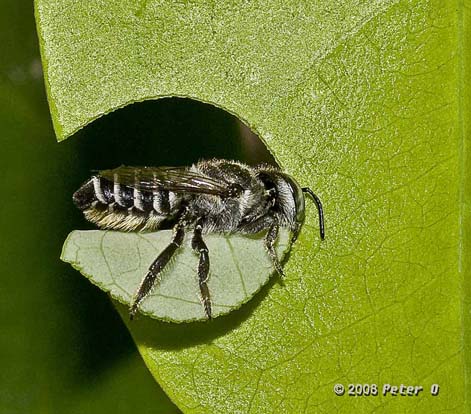
There were more bee species overall, and more habitat specialist bees (i.e. species that only occur in a limited number of habitat types), in wildlife gardens compared to traditional gardens. Wildlife gardens and remnants had similar numbers of bee species and habitat specialist bees, but wildlife gardens supported more above-ground nesting species such as reed bees and leaf-cutter bees, while remnants support more below-ground nesting bees (mostly furrow bees).
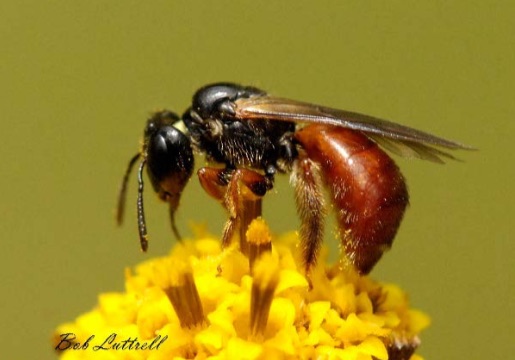
Wildlife gardeners can therefore achieve their aims of supporting local wildlife, and local governments can achieve their landscape-wide biodiversity conservation goals, by supporting residents to create and maintain wildlife gardens.
You can read our article for free here